A color correction appointment is not the moment to arrive with a mystery hair history and a screenshot that promises silver blonde by lunchtime. To prepare for color correction well, bring the full story of your hair – the color you love, the color you regret, and every process that may still be living in your lengths. That honesty gives your stylist the information needed to create a plan that respects both your goal and your hair’s condition.
Corrective color can be remarkably transformative. It can soften bands, remove unwanted warmth, blend uneven highlights, shift an old fashion shade, or move you closer to the color that feels like you. It is also chemistry, timing, and restraint. The best result is not always the fastest route to a dramatic before-and-after. Often, it is the thoughtful route that leaves your hair looking beautiful now and in good enough condition to keep evolving.
What Color Correction Actually Means
Color correction is not one single service. It describes the work required when the current color needs more than a standard root touch-up, gloss, or highlight placement. Maybe your at-home color came out too dark. Maybe a previous lightening service left strong gold or orange tones. Maybe old box color, faded red, mineral buildup, or years of overlapping highlights have made your color uneven.
The correction may involve lifting artificial pigment, adding depth where hair has become too light, neutralizing unwanted tones, blending lines, filling porous hair before going darker, or using a combination of these approaches. Each choice affects the next. Hair is not a blank canvas, and the most successful plan works with its existing canvas instead of pretending it does not exist.
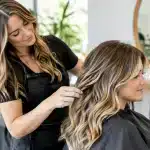
That is why consultation matters so much. Your stylist is reading the visible color, but also assessing density, porosity, curl pattern, previous processing, and how your hair behaves when wet and dry. A loose curl or coil may reveal color differently than straight hair. Fine hair may lift quickly but be more vulnerable. Dense hair can hold hidden bands that only appear once sections are separated. Personal hair requires a personal plan.
Prepare for Color Correction With a Complete History
The most helpful thing you can bring is accurate information. Tell your stylist about professional services, at-home dye, toner, glosses, highlights, bleach, color-depositing masks, henna, relaxers, perms, and smoothing treatments. Include approximate dates, even if you are unsure. A photo of product boxes or a note in your phone is useful if you cannot remember the names.
Do not leave out box color because it was applied a year ago or because it has faded. Permanent and demi-permanent color can remain in the hair long after the shade looks different on the surface. Dark brown color can be especially relevant when the goal is lighter, while red, copper, and vivid shades can influence which tones emerge during lightening.
Henna and metallic-salt products deserve special mention. Their behavior can be unpredictable when combined with salon chemical services. Your stylist may recommend a test strand, a different approach, or a waiting period. That is not hesitation. It is careful craftsmanship.
It also helps to explain your hair habits. Do you swim regularly? Use well water? Flat iron daily? Spend weekends in the Florida sun? Use purple shampoo every wash? These details can influence tone, buildup, and long-term maintenance. The goal is not to judge your routine. It is to build a color plan that works within real life.
Bring Inspiration, Not a Demand for an Exact Copy
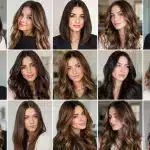
Photos are valuable because words such as “ashy,” “beige,” “caramel,” and even “natural” mean different things to different people. Bring two or three images that show what you are drawn to, then explain what you like about them. Is it the brightness around the face, the softness at the root, the contrast, or the way the color reads outdoors?
A useful reference photo is a direction, not a contract. The model’s starting color, lighting, density, texture, and editing may be entirely different from yours. A skilled stylist translates the feeling of the image onto your features, your texture, and your maintenance comfort level.
Also bring photos of your hair when you liked it, if you have them. Those images can reveal whether you feel most like yourself with warmth or coolness, dimension or a more solid color, a bold money piece or a subtle blend. They can be more informative than a trend photo because they show your own hair responding to color.
Arrive With Clean, Manageable Hair
Unless you have been instructed otherwise, arrive with clean, dry hair and minimal styling product. Heavy dry shampoo, root spray, oils, waxes, and color-depositing products can hide the true tone and make a proper assessment harder. Clean hair also makes it easier to see uneven color, breakage, and areas that need a gentler approach.
Clean does not mean aggressively scrubbed. If your hair is dry, curly, or textured, use the cleansing and conditioning routine that normally keeps it comfortable and manageable. Avoid a last-minute clarifying treatment unless your stylist has recommended one. Clarifying can be helpful for buildup, but it can also leave hair feeling unusually dry or alter how the hair presents at consultation.
If you wear your curls naturally, arrive in a way that lets your stylist understand your pattern. There is no need to straighten your hair for a color consultation. Your natural texture is part of the design process, especially when placement needs to flatter movement, shape, and the way light catches your curls.
Make Room for a Realistic Timeline
Some corrections are completed in one appointment. Others are better approached in stages. The difference depends on your starting point, the amount of artificial pigment in the hair, its strength, and how far you want to move from where you are now.
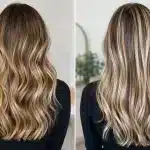
For example, moving from uneven blonde to a richer brunette may be possible in one thoughtful session when the hair can be properly filled and balanced. Moving from years of dark dye to a cool, high-level blonde may require multiple visits, with time between them for conditioning and reassessment. Pushing hair beyond what it can safely handle can create a temporary color win and a much longer repair project.
Plan for the appointment itself to take time. Corrective work may include section-by-section application, test strands, multiple formulas, toning, treatments, and a detailed finish. Avoid scheduling it immediately before a flight, a major event, or a day when you must leave at a precise time. Giving the process room to breathe allows better decisions during the service.
Be Clear About Maintenance and Budget
The best color is the one you can enjoy and maintain. Tell your stylist whether you are comfortable returning every six weeks, every three months, or only a few times a year. Be open about whether you use heat tools, whether you can commit to professional home care, and whether you want to see a strong root contrast as color grows out.
A high-maintenance platinum correction and a soft, dimensional blend can both be beautiful, but they ask different things of your schedule, budget, and hair. There is no superior choice. There is only the choice that fits your life.
At Richard McGraw Hair Design, the conversation is part of the service. You should leave the consultation understanding the likely path, what may be possible that day, what requires future sessions, and how to care for the result at home. Clear expectations make the final color feel more rewarding because you understand the artistry and care behind it.
Prepare Your Hair After the Appointment, Too
Color correction does not end when the cape comes off. Your stylist may recommend a gentler wash schedule, heat protection, targeted conditioning, toned shampoo at a specific frequency, or a pause on at-home color. Follow those recommendations closely, particularly if your hair has been lightened or feels more porous than usual.
Avoid trying to “fix” a tone at home in the days after your appointment. Fresh color can settle and reveal itself differently after a few washes, especially in varying indoor and outdoor light. If something concerns you, contact your stylist rather than layering on another product or color. A quick conversation can prevent a small concern from becoming another correction.
The most beautiful corrective color usually begins with patience: patience to share the whole history, to accept the condition of the hair in front of you, and to choose progress that still lets your hair feel like hair. That is how a color appointment becomes more than a rescue – it becomes a design that belongs to you.