Fresh color can look luminous in the salon, then oddly muted a few weeks later even when you have been careful with shampoo and heat styling. If you are asking, can hard water affect color, the answer is yes. Mineral-heavy water can leave buildup on the hair that changes how light reflects off it, makes strands feel rougher, and can interfere with the clean, dimensional finish you wanted from your color service.
That does not mean every color change is caused by your shower. Fading is usually a combination of water, sun exposure, hot tools, shampoo habits, porosity, and the color formula itself. But if your blonde turns brassy sooner than expected, your brunette looks flat, or vivid color loses its clarity, your water is worth considering.
How hard water affects hair color
Hard water contains higher levels of dissolved minerals, most commonly calcium and magnesium. As water evaporates from the hair, those minerals can remain behind. Over time, they create a coating that makes hair feel less soft and look less reflective.
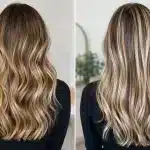
Color is largely about reflected light. When the surface of the hair is smooth and clear, a dimensional brunette can look glossy, blonde ribbons can look bright, and a copper can show its richness. When mineral buildup dulls that surface, the same color may appear darker, dustier, or less vibrant. This is especially frustrating after balayage or highlights, where brightness and contrast are part of the design.
Hard water can also make hair more difficult to cleanse and condition evenly. If shampoo and conditioner are not performing as intended, hair may feel coated at the roots but dry through the ends. That combination can make color look inconsistent, even when the actual pigment has not dramatically changed.
Can hard water affect color tone, not just shine?
It can. Calcium and magnesium are mainly associated with dullness and texture, but other minerals and metals in water can create more noticeable tone shifts. Copper and iron are the usual concerns. They can accumulate on porous hair and contribute to warm, orange, yellow, or even slightly green-looking casts, depending on the hair’s starting color and the specific minerals present.
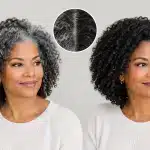
Blondes and gray hair tend to reveal these shifts quickly because they have less depth to disguise discoloration. Lightened hair is also often more porous, which gives minerals more places to cling. Cool blondes may read warmer, while silver or white hair can take on a dingy cast rather than looking clean and bright.
Brunettes are not exempt. Mineral buildup can make a rich chocolate, soft caramel, or dimensional brunette seem overly warm, murky, or lacking in movement. Red and copper shades may lose their crisp, intentional tone and start to look less polished. Fashion colors can be particularly sensitive because pastel pink, blue, lavender, and vivid jewel tones depend on a clean, controlled canvas.
Still, it depends. A person with very soft water, low-porosity hair, and a darker single-process color may see little difference. Someone with highly lightened curls, well water, or a bright blonde goal may notice buildup much faster.
Signs your water may be part of the problem
The clearest clue is a pattern: your color looks beautiful after a salon visit but becomes dull or shifts in a way that regular color-safe care does not correct. Your hair may also feel stiff, tangly, or resistant to moisture, even though you are using products that normally work well for you.
Other household clues can support the suspicion. Mineral spots on glass, white residue around faucets, frequent soap scum, or laundry that feels stiff can all point toward hard water. Homes supplied by well water may have additional metal concerns, although municipal water can contain minerals too. Water quality can vary by neighborhood and even within the same area, so it is better to test than to assume.
For curly and textured hair, buildup can be especially confusing. Curls may lose their spring, feel dry at the ends, or become less predictable from wash day to wash day. It is easy to blame the cut or styling routine, but a mineral film can keep water and conditioning ingredients from interacting with the hair as effectively as they should.
What helps protect salon color from mineral buildup
Start with clarity about the issue. A basic water hardness test can help you determine whether minerals are likely contributing to your color concerns. If the result is high, a shower filter or a whole-home water-softening solution may be worth exploring. A shower filter can reduce certain contaminants and metals, but not every filter truly softens water, so look carefully at what it is designed to address.
At the hair level, occasional chelating care can remove mineral and metal buildup more effectively than a standard clarifying shampoo. Clarifying products are useful for excess oil, dry shampoo, and styling residue. Chelating formulas are specifically designed to bind to minerals and metals. The distinction matters when hard water is the concern.
Chelating too often can leave some hair feeling dry, particularly lightened, curly, or already porous hair. The right frequency depends on your water, hair condition, and services. For many people, an occasional treatment paired with a moisturizing conditioner is enough. If your hair feels rough after every wash or your color changes quickly, a more personalized plan makes sense.
A few everyday choices can also reduce unnecessary fading. Use lukewarm rather than very hot water, especially when rinsing colored hair. Choose a gentle, color-conscious cleanser that suits your scalp and texture. Protect hair from prolonged sun exposure and high heat, since those can fade color independently of water quality. If you swim, rinse your hair with fresh water before and immediately after the pool to limit mineral and chemical exposure.
Why a salon detox can make a visible difference
When buildup is significant, applying more toner or gloss is not always the best first move. Color placed over mineral-coated hair may not look as clear or even as it could on a clean surface. In some cases, metal deposits can also complicate chemical services, which is why an honest consultation about home water, swimming, and past color history is valuable.
A professional detox can help reset the canvas before a gloss, toner, highlight service, or color correction. It gives the stylist a better read on what is actually happening in the hair: Is the warmth from faded toner? Is it old color showing through? Is it mineral staining? Or is it a mix of all three?
That diagnosis protects both the hair and the final result. A personalized color plan should account for your natural level, previous services, curl pattern or texture, maintenance preferences, and the realities of your routine, including the water you wash in. Hair is not a standardized surface, and color care should not be standardized either.
When to book a color consultation
If your hair has become noticeably brassy, dull, resistant to conditioning, or unpredictable after moving to a new home, bring it up before your next color appointment. Mention whether you use well water, swim frequently, or have installed a filter. Those details can help shape the service plan and prevent a cycle of repeatedly toning a problem that starts with buildup.
For Jacksonville clients, this can be especially helpful when planning bright blonde, gray blending, fashion color, or a major correction. The goal is not to chase a temporary fix. It is to create color that fits your hair, your desired maintenance level, and the life it has to live between appointments.
Your shower should not get the final say in your color. With the right assessment and a care routine matched to your hair, you can keep the tones you chose looking intentional, luminous, and distinctly yours.