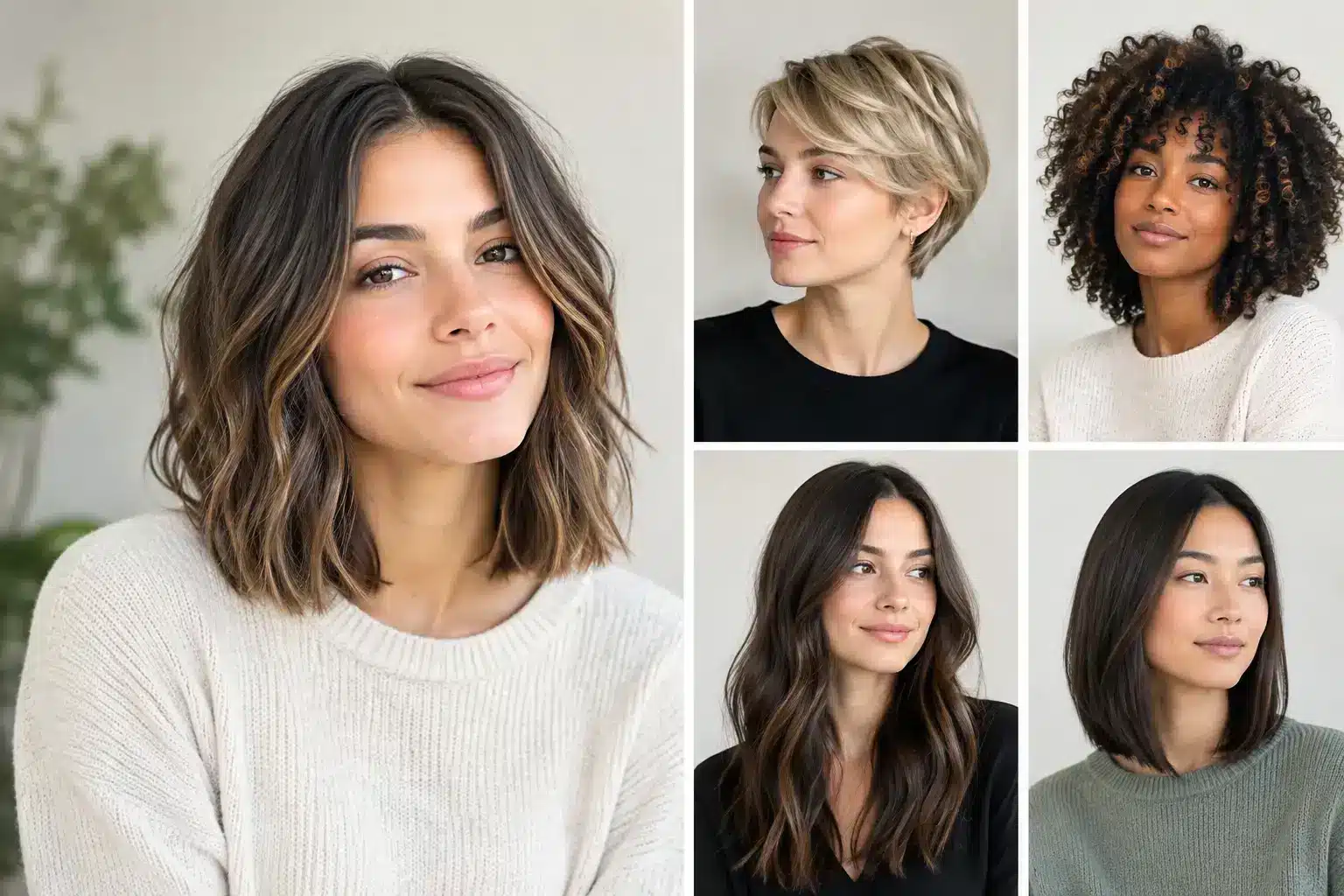
A low-maintenance haircut should not mean a haircut with no personality. It should mean that your hair still feels like you on a rushed Tuesday morning, after a humid Jacksonville afternoon, or when you would rather spend five minutes styling than 45. To choose a low-maintenance haircut well, start with the life your hair actually has, not the perfectly styled reference photo you saved at midnight.
The right cut can make daily styling easier, help your natural texture behave more predictably, and grow out in a way that still looks intentional. The wrong version of an otherwise beautiful cut can create a standing appointment with your blow dryer, flat iron, curl cream, or mirror. Hair is art, but it also has to live with you.
What Low Maintenance Really Means for Your Hair
“Low maintenance” is personal. For one person, it means air-drying with a little product. For another, it means a polished shape that takes ten minutes with a round brush. A person with a short clipper cut may need appointments every three weeks to keep the outline crisp, while someone with long layers may go three months between cuts but spend more time detangling and styling every morning.
Think about maintenance in two parts: daily effort and salon frequency. A haircut can be simple to style at home but require regular reshaping. Or it can grow out gracefully while asking more of your morning routine. Neither is wrong. The best choice is the one whose trade-off fits your real schedule, budget, texture, and preferences.
It also helps to separate haircut maintenance from color maintenance. A softly layered cut may be easy to live with, but a bright all-over blonde or vivid fashion color will still call for consistent color care. If your goal is fewer appointments overall, a haircut and color plan should be designed together.
Start With Your Natural Texture, Not Your Ideal Texture
The most reliable way to reduce effort is to work with what your hair wants to do. Fine, straight hair, dense coarse hair, loose waves, tight curls, and coily textures all respond differently to weight, layers, fringe, and length. A haircut that looks effortless on someone else may demand daily heat styling from you.
Fine hair often benefits from a strong perimeter and carefully placed internal movement. Too many short layers can make it look thinner or cause the ends to flip unpredictably. A blunt bob, a soft collarbone-length cut, or long, restrained layers can offer shape without creating a lot of styling chores.
Wavy hair can be wonderfully forgiving when the cut leaves enough length and weight for the pattern to settle. The key is not automatically adding layers everywhere. The right amount of layering can encourage movement; too much can turn soft waves into uneven puffiness, especially in Florida humidity.
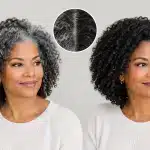
Curly hair deserves a more specific conversation. Curl patterns change from one area of the head to another, and shrinkage can make a cut look dramatically different wet versus dry. A curl-friendly shape is not just about removing bulk. It considers curl grouping, density, face framing, the areas that expand most, and how you plan to wear your hair between wash days. For many curly clients, the lowest-maintenance choice is a thoughtful dry cut paired with practical instruction on diffusing, refreshing, and using the right amount of product.
Choose a Low-Maintenance Haircut Around Your Routine
Before deciding on a length, be honest about what happens in your bathroom each morning. Do you wash your hair daily, once a week, or somewhere in between? Do you wear it up for work or workouts? Are you willing to diffuse curls, use a brush dryer, or touch up a fringe? These answers matter more than a trend cycle.
A short pixie can be freeing, but it is not automatically low effort. It may need paste or pomade for definition and frequent cleanup appointments to preserve its shape. A jaw-length bob can look sleek with very little work on naturally straight hair, yet require regular blowouts for someone with strong waves. Long hair can be easy if you enjoy braids, buns, or natural texture, but not if it tangles easily or needs heat styling to feel finished.
If you are truly styling-averse, ask for a cut that works in the way you wear your hair most often. If your hair lives in a ponytail, the front pieces and overall length should support that. If you air-dry, your stylist should see the texture dry or discuss exactly what it does as it dries. If you want to wash and go, say that plainly. It is useful information, not a lack of ambition.
Be Specific About Your Five-Minute Version
A strong consultation includes your best-case styling routine and your realistic one. You may love the look of a smooth, bouncy blowout, but if your normal routine is leave-in conditioner and out the door, your haircut needs to succeed in that five-minute version first.
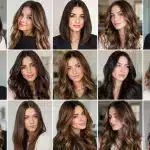
Bring photos if they help, but explain what you like about each image. Is it the fringe, the volume, the shape around the cheekbones, or the relaxed texture? A skilled stylist can translate the feeling of a photo into a design that suits your own hair rather than copying a silhouette that depends on a different texture.
Face Shape Matters, but Hair Behavior Matters More
Face shape is useful for making visual choices: where to place volume, how a fringe can frame the eyes, or whether length near the jaw feels balanced. It is not a set of rules that limits what you can wear. A round face can wear a bob. A square face can wear a blunt fringe. The more meaningful question is how the shape works with your density, texture, features, and personal style.
For low-maintenance results, prioritize the areas you notice first. Maybe that is a cowlick at the hairline, fullness at the crown, curls that get triangular at the sides, or a section that always bends behind one ear. Addressing these realities in the cut is often more valuable than chasing a supposedly flattering formula.
Fringe deserves special consideration. Bangs can completely change a haircut, add style to a simple shape, and make a grown-out cut feel fresh. They also need attention. A curtain fringe generally grows out more softly than a short blunt fringe, but both can require frequent trims or some daily styling. If you dislike having hair in your face or never use a blow dryer, say so before committing.
Ask for a Grow-Out Plan, Not Just a Great First Day
A haircut should look good when it leaves the salon, but it should also make sense six, eight, or twelve weeks later. Ask how the cut will grow, which parts may need a quick refresh, and when you will likely want another appointment. This is especially important with precision bobs, pixies, heavily textured shags, and detailed fringe.
A softer perimeter, subtle face framing, and longer layers often offer an easier grow-out than highly disconnected or dramatically asymmetrical shapes. That does not mean every low-maintenance cut has to be conservative. It means the design needs an intentional exit strategy.
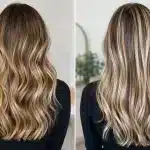
For color, lived-in dimension can extend the time between appointments more comfortably than a solid root-to-end change. Balayage, dimensional highlights, and carefully blended gray coverage can be tailored to grow out with less obvious contrast. But low-maintenance color still needs the right home care. Sun, humidity, hard water, and frequent heat styling all affect tone and condition.
Let Your Stylist Teach You the Few Things That Matter
The goal is not to leave with a long list of products and a complicated ritual. It is to understand the two or three techniques that make your particular haircut work. That could be how to direct a cowlick while drying, where to scrunch curl cream, how much texture paste to use, or how to revive second-day hair without starting over.
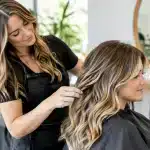
At Richard McGraw Hair Design, a personalized appointment is built around this kind of collaboration. The haircut is shaped around your face, texture, routine, and aesthetic, then supported with clear guidance so the result belongs to you after you leave the chair.
A little education prevents a lot of frustration. If a cut only looks good when styled exactly as it was in the salon, it is not yet a low-maintenance plan. Ask your stylist to show you a realistic version and to explain what to do when your hair does something unexpected.
The most satisfying haircut is rarely the one that asks you to become a different person every morning. Choose the shape that honors your texture, fits the time you genuinely have, and leaves enough room for you to enjoy your life with great hair instead of organizing it around your hair.