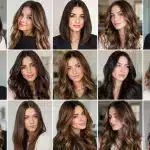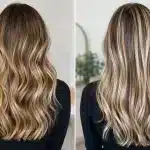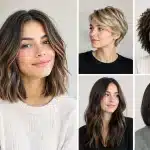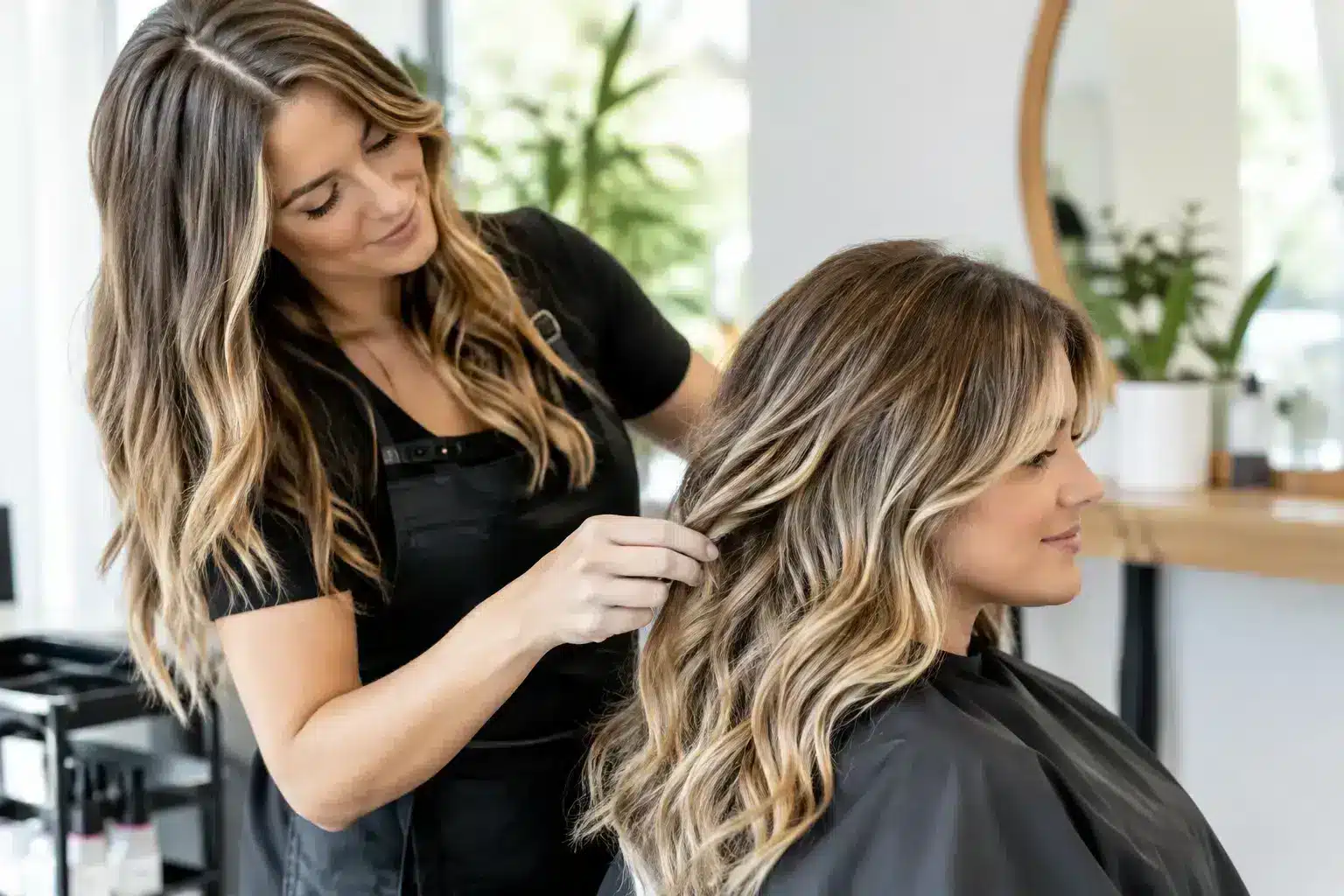
A useful Jacksonville balayage artist review should tell you more than whether someone left the salon loving their hair that afternoon. Balayage is one of those services that can look beautiful in a single photo yet be poorly matched to a client’s natural level, curl pattern, routine, or long-term color goals. The details matter: how the color grows out, whether the hair still feels healthy, and whether the placement makes sense when the hair is worn the way that person actually wears it.
For clients who want soft, dimensional color rather than a generic highlight pattern, choosing an artist is less about finding the brightest before-and-after image and more about finding a stylist who sees the whole head of hair. Face shape, density, texture, previous color history, and maintenance tolerance all belong in the conversation.
What a Jacksonville Balayage Artist Review Should Reveal
The strongest reviews are specific. They mention a thoughtful consultation, an artist who listened closely, or color that looked natural instead of stripey. They may describe how the stylist adjusted the plan for fine hair, dark hair, curls, stubborn previous color, or gray blending. Those observations are more useful than a simple “five stars” because they show how the experience worked for a real person.
Look for comments about the hair weeks later, too. A well-designed balayage should have a graceful grow-out line, but “low maintenance” does not mean “no maintenance.” Warmth can emerge over time, especially on naturally dark hair. Lightened ends may need moisture and occasional trims. A good artist explains those realities upfront rather than promising platinum brightness with no compromise.
Reviews that praise a stylist’s patience are also worth attention. Balayage often involves decisions that should not be rushed: how light to go in one visit, where to preserve depth, whether a previous color needs correction first, and how often the client is genuinely willing to return. A collaborative stylist protects the hair and the client’s expectations at the same time.
Natural Dimension Is Not an Accident
The appeal of balayage is its softness. Unlike a uniform foil pattern, hand-painted lightness can create movement that feels sun-kissed, lived-in, or softly dramatic depending on the placement. But that relaxed appearance comes from deliberate technical work.
An experienced balayage artist considers where the hair naturally falls. Brighter pieces around the face can bring attention to the eyes and cheekbones. Deeper sections underneath can keep the color from looking flat or over-processed. Fine hair may benefit from a more restrained approach so the color does not make the ends look thin. Dense hair can carry layered dimension, but only if the internal placement is balanced rather than randomly painted.
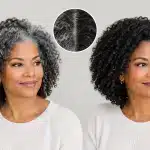
For curly and textured hair, placement deserves even more intention. Curls reflect light differently than straight hair, and each curl grouping can create its own visual pattern. Coloring curls without understanding their shape can lead to scattered brightness, hidden contrast, or unexpected bands when the hair is diffused and worn naturally. A review from a curly-haired client is especially meaningful when it mentions how the color looks in their real texture, not only after a smooth blowout.
The goal is not always maximum brightness. Sometimes the most beautiful result is a subtle lift that makes a brunette look richer, gives gray hair more softness, or adds quiet contrast to a natural curl pattern. The right amount of lightness depends on the person in the chair.
The Consultation Is Part of the Color Service
Before color is mixed, the artist should understand what is already on the hair. Box color, old highlights, fashion shades, hard-water minerals, and prior corrective work can all change the plan. This is not unnecessary caution. It is how a stylist determines what the hair can safely do and what result is realistic for the appointment.
Bring inspiration photos, but use them as a starting point rather than a contract. A photo may show hair with a different density, natural base, texture, or lighting setup. A talented stylist can identify what you love about the image – perhaps the soft root, the warm caramel ribbons, or the bright face frame – and adapt that feeling to your own hair.
Maintenance should be discussed plainly. A subtle brunette balayage may be refreshed only a few times a year, while a very light blonde effect can require toning, conditioning treatments, and more regular appointments. If you wear your hair curly most days, your home routine should factor into the design. If you swim often, spend long days in the Florida sun, or heat-style frequently, those habits affect how the color will wear.
At Richard McGraw Hair Design, the approach begins with that kind of individual assessment: creating color around the client’s hair, lifestyle, and personal expression rather than applying the same formula to every head.
When Balayage May Need a Different Plan
Balayage is versatile, but it is not automatically the best answer for every color request. Someone with a heavy band of old box dye may need a correction process before soft painted highlights are possible. Someone seeking even, high-impact blonde from roots to ends may be better served by a combination of foils, root work, and carefully placed balayage. And if the hair is fragile from repeated lightening, the smartest appointment may focus on restoring condition and shifting the color goal over time.
This is one of the trade-offs worth appreciating in artist reviews. A stylist who says “not yet” may be protecting the integrity of your hair, not withholding a service. Healthy hair creates better color, better shine, and more options at the next visit.
The same goes for toning. A cool beige or ash finish can be beautiful, but some hair naturally exposes warm underlying pigment when lightened. Pushing too hard against that warmth can compromise condition or create a dull result. A skilled artist helps you find the version of blonde, copper, caramel, or neutral brunette that works with your hair’s starting point.
How to Read Color Photos More Carefully
Photos are useful, but they should be viewed with a little skepticism. Salon lighting, curls, camera angles, and styling can amplify dimension. Look for consistency across an artist’s work rather than one dramatic transformation. Do their brunettes have depth? Do blondes look bright without appearing brittle? Does the placement look intentional on straight hair, waves, and curls?
It also helps to notice the roots. A soft, believable transition usually signals careful blending. Harsh lines are not always wrong – some clients want a bold, graphic contrast – but they should look purposeful. The best color work reflects the client’s chosen aesthetic, whether that means barely-there warmth or a vivid fashion shade.
A review and a portfolio work best together. Reviews describe the relationship and experience. Photos show the artist’s visual point of view. Your consultation determines whether that point of view can be translated into a color plan that is truly yours.
The Best Result Has a Life Beyond the Appointment
Balayage should still feel like you after the fresh blowout is gone. You should know how to protect the tone, what products support the condition of your lightened hair, and when to return for a gloss, trim, or refresh. If your hair is curly, you should also understand how the color will appear after your normal wash-and-style routine.
That is the standard to bring to any Jacksonville balayage artist review: not simply whether the color photographed well, but whether the artist created a thoughtful result that remained beautiful, wearable, and personal in everyday life.