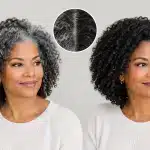
Curtain bangs look effortless when they are doing their job well: softly opening around the eyes, connecting to the rest of the haircut, and moving when you move. The catch is that learning how to style curtain bangs is less about forcing a perfect swoop and more about working with your growth pattern, texture, and the shape your stylist built into the cut.
A good curtain fringe should not require a full production every morning. It does, however, need a little direction while it dries. The right technique gives you polish without making your bangs look stiff, overly curled, or separated into two dramatic wings.
Start with the haircut, not the hot tool
Curtain bangs are not one universal shape. A longer, cheekbone-skimming fringe behaves differently than a shorter, brow-grazing version. Density matters, too. Fine hair can become stringy when too much product is used, while thick or curly hair may need more weight removed or a different layering strategy to prevent a bulky triangle at the front.
Face shape is part of the conversation, but it is not a rulebook. The center opening can be placed slightly off-center, the shortest point can sit higher or lower, and the sides can be tailored to emphasize cheekbones, soften a strong jaw, or blend into layers. Your natural part and cowlick often have more practical influence than a photo reference.
If your curtain bangs refuse to sit the way they did when you left the salon, the issue may be the cut’s grow-out rather than your skill. Fringe grows quickly, and even a well-designed shape can lose its balance within a few weeks. A small bang trim can make styling dramatically easier.
How to style curtain bangs with a blow-dryer
The fastest reliable method starts with bangs that are damp, not dripping wet. If you are refreshing on a non-wash day, mist the fringe with water until it is evenly damp. Water resets the hair’s hydrogen bonds, which is why dry brushing alone rarely fixes a stubborn bend or cowlick.
Apply a very small amount of lightweight styling product. For most straight or wavy hair, a root-lifting spray, mousse, or soft blowout cream is enough. Put the product in your hands first, then work it through the fringe rather than spraying heavily in one spot. The goal is flexible control, not a helmet.
First, erase the part
Before you reach for a round brush, blow-dry the bangs side to side with a flat brush or your fingers. Direct the air downward from the roots while moving the hair left, then right, then forward. This is the step people skip, and it is often why bangs split too widely or fall into a hard center part.
Moving the hair in both directions relaxes the root and gives you more control over where the curtain opens. If you have a strong cowlick, spend extra time drying the root in the opposite direction of its pull before directing it into place.
Then create the bend
Once the roots are mostly dry, divide the fringe into two sections. Use a medium round brush, usually about 1 to 1.5 inches in diameter, depending on the length of the bangs. A smaller brush creates more lift and curve; a larger brush creates a softer, more lived-in bend.
Roll one side away from the face, pulling the hair forward first and then guiding it back and out. Keep the blow-dryer nozzle pointed down the hair shaft. Do the same on the other side. You are not trying to make a barrel curl. Think of it as creating a gentle C-shape that frames the face.
Let each section cool on the brush for a few seconds before releasing it. Hair takes its final shape as it cools, so rushing this part can make the style collapse before you leave the bathroom.
Finish with your hands
After the bangs are completely dry, use your fingertips to separate and settle them. A pea-sized amount of light cream, texture paste, or flexible hairspray can tame flyaways, but use less than you think you need. Heavy oil and thick serums can make curtain bangs look piecey and cause them to separate by midday, especially in Jacksonville humidity.
If you want more root lift, lightly backcomb only at the base of each side, then smooth the surface. For a softer finish, lift the fringe at the root with your fingers and give it a quick cool shot from the dryer.
The round-brush method is not right for every texture
Straight and loose wavy hair usually responds beautifully to a round brush. But the best way to style curtain bangs changes when the hair has a defined wave, curl, or coil pattern.
For naturally curly hair, trying to blow the fringe into a smooth feathered shape every day can create a frustrating mismatch with the rest of your texture. Instead, style the bangs as intentional curls. Apply a curl cream or gel to soaking-wet fringe, scrunch gently, and place the curls so they open around the face. Diffuse with low airflow, moving slowly to preserve the pattern.
The finished shape will be different from a classic 1970s-inspired blowout, and that is the point. Curly curtain bangs can be soft, expressive, and beautifully face-framing when they are cut dry and shaped to the curl pattern. They should not be expected to behave like straight hair with a round brush.
For wavy hair, you have options. You can diffuse for a natural, airy fringe or smooth just the bangs with a round brush while letting the rest of the hair air-dry. The deciding factor is usually your routine. Choose the version you will actually enjoy maintaining.
Common curtain bang problems and what they mean
When bangs split down the middle too aggressively, the roots are usually drying in their natural part before you have redirected them. Re-wet the roots and dry side to side first. If the split returns immediately, your natural growth pattern may call for a softer, slightly off-center opening.
When the ends flip outward too much, the brush is likely being rolled too tightly or held at the ends for too long. Use a larger brush, pull the section forward before turning it away from the face, and release sooner. A curtain bang needs movement, not a corkscrew.
Flat bangs usually need better root direction rather than more product. Dry them forward and across the forehead before styling each side. For very fine hair, a small amount of mousse at the root and a cool shot at the end can provide more lasting lift than layering on dry shampoo.
If your fringe becomes oily faster than the rest of your hair, that is common. Bangs touch the forehead, pick up skincare and makeup, and are adjusted throughout the day. Clip them back when applying moisturizer or sunscreen, keep your hands out of them when possible, and rinse or shampoo just the fringe between full wash days if needed.
Humidity adds another variable. A flexible anti-humidity spray can help after styling, but no product will fully override a texture that wants to expand in Florida weather. The more your cut respects your natural texture, the less you will have to battle the forecast.
Make the style fit your real morning
A full blowout can take five to ten minutes once you know the motion. A quick refresh may take two. Keep a spray bottle and your preferred brush where you get ready, because curtain bangs are easiest to style when they are addressed early, before they dry into an awkward shape.
At Richard McGraw Hair Design, the goal is never to hand you a trend that only works under salon lighting. A fringe should support your personal style, your hair texture, and the time you honestly want to spend on it. The most convincing curtain bangs are not the most perfectly sculpted ones. They are the ones that look like they belong to you.