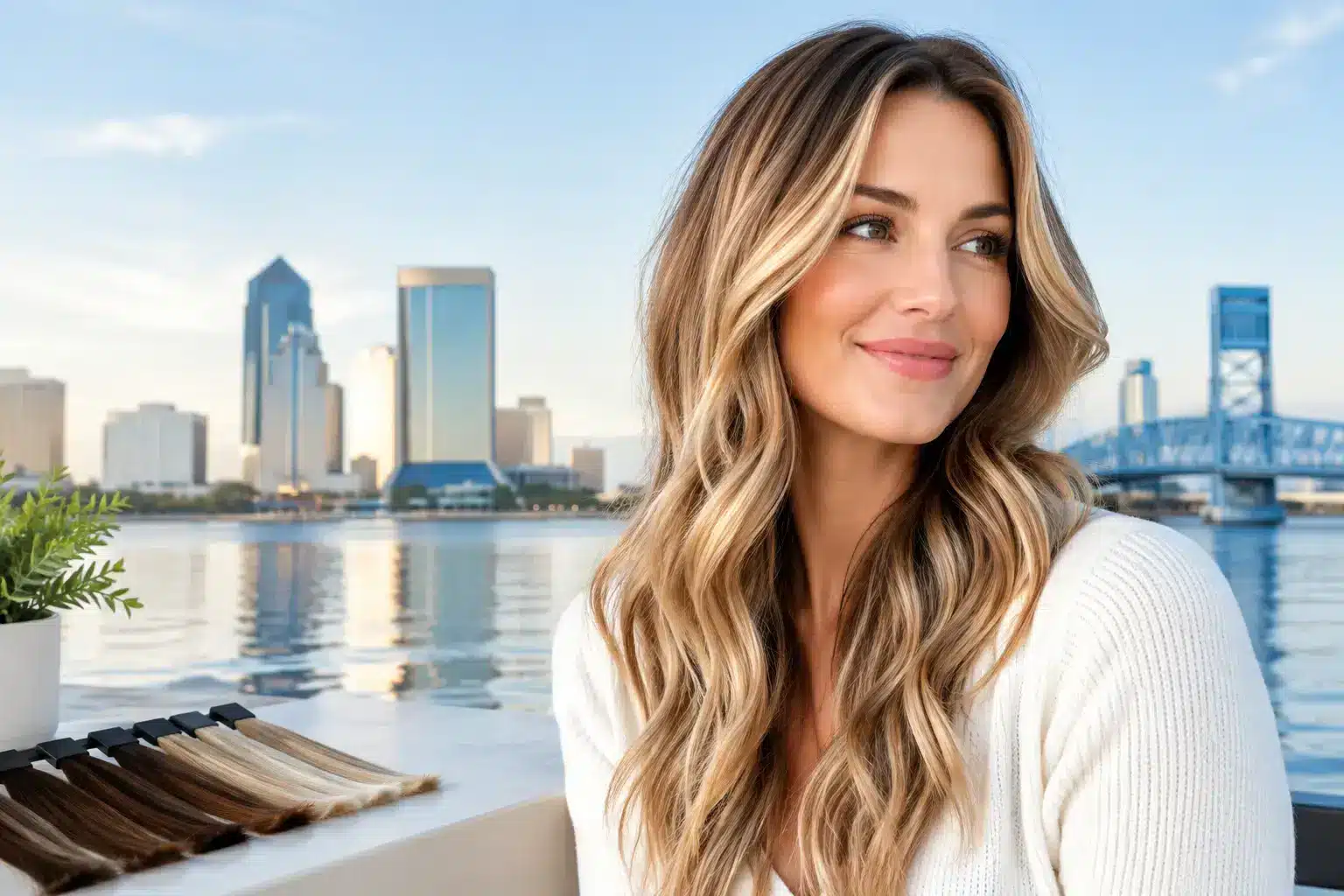
A great color can look completely different in Jacksonville sunlight than it did under the salon mirror. Warm Florida light reveals gold, red, and copper tones quickly. Humidity can change how textured hair reflects light. A realistic Jacksonville hair color guide starts there: not with a trend photo, but with the way your hair lives once you leave the chair.
Hair color is art, but it is also chemistry, maintenance, and personal routine. The right choice should flatter your features, respect the condition of your hair, and still feel like you on an ordinary Tuesday morning.
Start With the Color You Actually Want to Live With
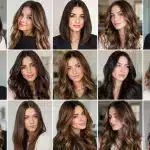
Most color conversations begin with a picture, and inspiration photos are useful. They can communicate a mood more quickly than words: soft and natural, bright and high contrast, rich and glossy, playful and expressive. Still, a photo is a reference point, not a promise. The model may have a different natural level, density, curl pattern, previous color history, lighting setup, or editing.
The more helpful question is, “What do I want people to notice?” Some clients want their color to look untouched but more polished. Others want brightness around the face, visible dimension through their curls, or a fashion shade that becomes part of their personal style. Each goal calls for a different plan.
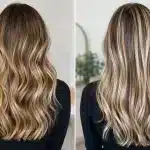
A low-maintenance brunette may need subtle dimensional highlights and a gloss rather than a full blonde transformation. Someone who wants a noticeable shift may benefit from balayage, traditional foils, or a carefully planned single-process color. The technique matters, but the end result matters more: color that makes sense for your hair and your life.
Jacksonville Hair Color Guide: Consider Florida Light
Jacksonville’s bright sun is beautiful, but it is honest. It can make warm tones appear warmer, reveal uneven fading, and bring out dimension that seemed subtle indoors. That does not mean everyone should avoid warmth. It means warmth should be intentional.
Golden blondes, coppery brunettes, and rich auburns can look especially alive in natural light. On the other hand, a client hoping for an ashier blonde or cooler brown may need an ongoing toning plan because sunlight, heat styling, and mineral buildup can pull hair warmer over time.
Beach days and pool time add another consideration. Saltwater, chlorine, sun exposure, and frequent washing can fade fashion shades and alter blondes faster than many people expect. If your weekends involve the ocean or pool, a color plan may include deeper root dimension, a tone that fades gracefully, or a refresh schedule that protects the overall look.
Your Starting Point Changes the Plan
Hair color is cumulative. A stylist needs to know what has happened to your hair before deciding what can happen next. Previous box color, dark dye, lightener, henna, smoothing treatments, medication changes, and even hard-water exposure can affect the process.
Virgin hair often offers the most predictable canvas, but it still has limits. Dark hair does not become an icy blonde in a single healthy session simply because a photo says it should. Likewise, previously lightened hair may be fragile enough that adding more brightness is not the best immediate choice.
This is where customized color earns its value. Sometimes the best appointment is a major transformation. Sometimes it is a correction, a conditioning-focused reset, or a strategic first step toward a larger goal. A thoughtful plan protects the integrity of your hair instead of chasing a result that will not hold up.
Color Correction Is a Process, Not a Punishment
Corrective color can be necessary after uneven home color, banding, unwanted warmth, over-lightening, or a result that simply no longer feels right. It is not a reason for embarrassment. Hair has history, and a skilled colorist reads that history before creating the next chapter.
Corrections often require patience because removing or balancing old pigment safely may take more than one visit. The trade-off is worthwhile: hair that feels healthy, looks intentional, and gives you a better foundation for future color.
Choose a Maintenance Level Before You Choose a Shade
The most beautiful color is not necessarily the lightest, boldest, or most complicated one. It is the color you can maintain comfortably. A candid conversation about time, budget, and home care prevents disappointment later.
Rooted balayage and dimensional highlights can offer a softer grow-out, making them a strong option for clients who prefer fewer salon visits. A single-process root color is efficient for consistent gray coverage but typically needs more regular upkeep as new growth appears. Platinum blondes, vivid reds, and fashion colors tend to require the most frequent toning or refreshing because their impact depends on precision.
There is no superior maintenance level. It depends on whether you enjoy regular salon appointments, how quickly your hair grows, and how much change you want to see between visits. A color service should fit your calendar instead of quietly taking it over.
Match Color Placement to Your Cut and Texture
Color does not exist separately from the haircut. A sharp bob may look striking with a clean, controlled placement of highlights. Long layers can carry soft ribbons of brightness. Curly hair often benefits from intentional placement that reveals movement rather than creating a striped effect.
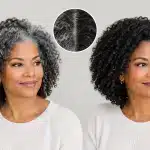
For natural curls and coils, the pattern matters as much as the shade. Curls catch light differently at every bend, and they can appear lighter or darker depending on how they are styled. A curl-by-curl visual assessment helps determine where dimension will enhance the shape, where brightness may create unwanted bulk, and how the color will look when the hair is worn naturally.
If you regularly wear your hair both curly and blown out, say so during the consultation. The placement should work in both versions of your style. Hair is meant to move with your life, not only look good in one finish.
Skin Tone Matters, But It Is Not a Rulebook
Undertones can guide a color decision, yet they should never limit self-expression. Warm skin can look luminous with caramel, honey, copper, or soft golden brown. Cooler complexions may enjoy mushroom browns, beige blondes, espresso tones, or blue-based reds. Neutral undertones often have flexibility in either direction.
But personality counts. A cool-toned person may love copper. A warm-toned person may prefer an ash brown because it feels modern and understated. The role of consultation is to explain what a color is likely to do visually, then create a version that feels authentic to you.
Face-framing brightness can also change the conversation. A few lighter pieces near the face can add contrast and energy without committing the entire head to a lighter maintenance schedule. For someone considering a big change, that can be a smart and satisfying place to begin.
Ask Better Questions at Your Consultation
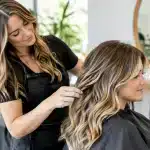
A strong color appointment is collaborative. Bring reference photos, but also be prepared to talk about what you like in each one. Is it the brightness? The richness? The root shadow? The way the color looks in sunlight? Specific details give your stylist something useful to interpret.
It also helps to discuss how you style your hair, how often you wash it, whether you use hot tools, and how you feel about visible roots or fading. Be honest about past color, even if it was years ago or done at home. That information supports better decisions and safer results.
At Richard McGraw Hair Design, the goal is not to place you into a standard blonding or brunette formula. It is to create a color plan around your features, texture, goals, and actual maintenance comfort, then make sure you understand how to care for it between appointments.
Protect the Investment Between Visits
Color longevity is shaped at home. Use professional products selected for your hair’s needs, wash with cooler water when possible, and apply heat protection before blow-drying, flat-ironing, or curling. If you are blonde or wear a vivid shade, your stylist may recommend a toning product or a color-depositing conditioner, but use it as directed. Too much pigment can leave hair dull or overly smoky.
For Jacksonville clients who spend time outside, UV protection is practical hair care, not an extra step. A hat, protective styling, and rinsing after swimming can make a visible difference. If mineral buildup is affecting brightness or feel, a professional detox service can help restore clarity before the next color refresh.
The best hair color should feel considered, not complicated. Choose the shade and placement that support the person you are now, leave room for how you actually live, and make you want to catch your reflection in the Florida sun.