A single process color appointment can be one of the most quietly transformative services in the salon. It may look simple from the outside: color is applied, processed, rinsed, and styled. But the best results come from decisions made well before the color bowl is mixed. Your natural level, existing color, gray pattern, skin tone, haircut, texture, and maintenance comfort all shape the formula and placement.
For someone who wants reliable gray coverage, a richer natural shade, or a thoughtful shift in tone without highlights, single-process color offers a focused way to change the way hair feels and looks. It is not a one-formula service. It is a color plan built around the person wearing it.
What Single-Process Color Actually Means
Single-process color generally means one color service applied in one step. Most often, it is used at the roots to cover or blend gray, refresh regrowth, or maintain an existing color. It can also be applied from roots to ends for an all-over color change, depending on the starting point and the health of the hair.
The word “single” does not mean generic or rushed. It simply describes the color technique. Unlike highlights or balayage, which lighten selected pieces of hair, a single process is designed to create a more unified result. It can deepen a faded brunette, warm up a flat blonde, soften the contrast of incoming gray, or create a more polished version of your natural shade.
The right expectation is important. If your goal is ribbons of brightness, high contrast, or a multi-tonal sunlit effect, dimensional highlights or balayage may be a better fit. If you want the hair to look even, intentional, and naturally rich, a single-process service may be exactly what you need.
A Single Process Color Appointment Starts With the Consultation
Color is chemistry, but it is also observation. Before application, the conversation should cover more than the shade you see in a photo. A photo can be useful for communicating mood, depth, warmth, or brightness, but it cannot account for your underlying pigment, porosity, previous color history, or the lighting that created the image.
A thoughtful consultation looks at where your gray is concentrated, whether your ends have faded, how quickly your roots become visible, and what you realistically want to maintain. Someone with a strong gray streak at the hairline may want full coverage there and a softer blend elsewhere. Someone who colors every four weeks may prefer a dependable formula that grows out with minimal drama. Another client may love a little warmth and movement rather than an opaque, solid-looking result.
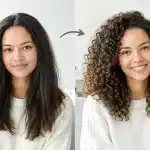
Your haircut matters, too. A precision bob reveals color differently than long layers. Curly hair reflects light across bends and coils, often making color appear more dimensional than it does on smooth hair. The goal is not to force every head of hair into the same color formula. It is to create a result that belongs with your texture, shape, and personal style.
Gray Coverage Is More Personal Than It Sounds
“Cover my gray” can mean several different things. Some people want complete, opaque coverage that makes gray nearly disappear. Others want gray blending, where the contrast is softened but the silver still contributes to the overall look. Both are valid, and neither is automatically better.
Permanent color is often selected when lasting gray coverage is the priority. Demi-permanent color can be a beautiful option for blending, toning, adding shine, or creating a softer grow-out. The best choice depends on the percentage and texture of gray hair, how resistant it is, your natural level, and your tolerance for maintenance.
Hairline gray can be especially stubborn because it is often coarser and more visible. It may need a different timing strategy or a formula adjusted for that area. This is one reason an individualized appointment matters. A single formula applied exactly the same way every visit may not respond to changes in your hair, your goals, or the season.
What Happens During the Service
Once the color direction is clear, the service is organized around precision. For a root retouch, color is applied to new growth in carefully controlled sections so coverage is even and the line between old color and new growth stays soft. For an all-over application, the approach may change between roots, mid-lengths, and ends because those areas often absorb color differently.
Processing time is not idle time in a technical sense. The formula is developing, and timing affects coverage, depth, and tone. After processing, the color is rinsed thoroughly, shampooed as needed, and conditioned with the hair’s texture and condition in mind. Styling is more than a finishing touch. It gives you the chance to see how the color moves in your actual haircut and how it reads in person.
If your ends are faded or overly porous, they may need a different treatment than your roots. Pulling permanent color through every time can create unnecessary buildup, dark bands, or dry-looking ends. Sometimes a gentle refresh or gloss is the smarter route. Good color is not about doing the most. It is about doing what the hair needs.
How Long Does It Take and How Often Will You Need It?
A root-focused single process color appointment commonly takes around 90 minutes to two hours, though timing varies with hair density, length, gray coverage needs, and finishing work. An all-over change or a service that includes a cut, treatment, or additional toning may take longer.
For gray coverage, many clients return every four to six weeks. The ideal schedule is personal. A high-contrast root line may bother one person at three weeks, while another feels comfortable going seven or eight weeks. If you are growing out gray intentionally, appointments may be spaced farther apart and designed around blending rather than full coverage.
Maintenance also depends on your home routine. Color-safe shampoo, reasonable water temperature, heat protection, and fewer unnecessary washes can help preserve tone and shine. In Jacksonville, sun exposure, humidity, and frequent pool time can affect how color wears, especially on lighter or more porous hair. A plan that works in real life is more valuable than a beautiful shade that feels impossible to maintain.
When Single Process Color Is Not the Whole Answer
There are times when a single process is only one part of the plan. If the ends are much darker than the roots, if there are old bands from previous color, or if you want to go significantly lighter, a more detailed correction may be needed. Applying one darker formula over uneven hair can disguise some issues, but it will not always solve them.
Likewise, going lighter with color is different from creating luminous blonde dimension. Previously colored hair does not simply lift like virgin hair, and a major change may require highlights, gentle lightening, multiple visits, or a gradual approach that protects the condition of the hair.
This is where honest collaboration saves time and frustration. The most artistic result is not always the fastest transformation. It is often the one that respects the integrity of your hair while moving steadily toward the look you want.
Color Should Still Feel Like You
At Richard McGraw Hair Design, a color appointment is approached as part of the full design, not as an isolated task. Your color should support your cut, flatter your features, and make sense for the way you style your hair between visits. The goal may be polished gray coverage, a softer brunette, a vivid fashion tone, or a quiet adjustment that simply makes people say you look rested.
A single-process color appointment works best when you arrive with a clear sense of what you want to change and an open conversation about what your hair can do right now. Bring inspiration if you have it, mention previous color honestly, and say how much time you want to spend on upkeep. The right shade is not just the one that looks good under salon lights. It is the one you enjoy seeing in the mirror on an ordinary Tuesday morning.